Menu

Optimal Daily Yoga Practice Duration for Your Goals in Aundh

Understanding Your Yoga Goals in Aundh

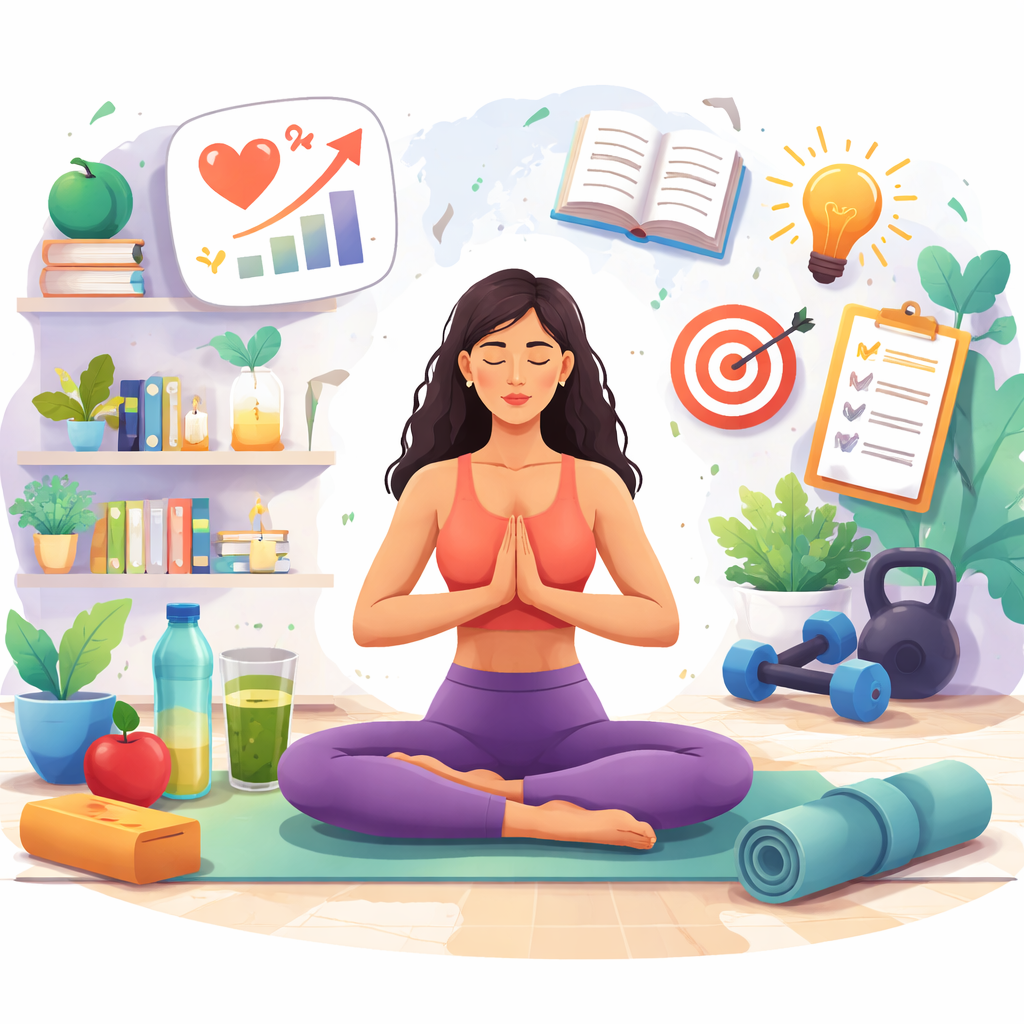
When deciding how long to practice yoga daily, it is crucial to align your routine with your personal goals. For individuals seeking increased flexibility, a concise 15 to 30-minute session focusing on stretching and relaxation may suffice. Conversely, those aiming for fitness and strength could benefit from 45 to 90-minute sessions incorporating Vinyasa or Power Yoga. It's essential to identify what you want to achieve; whether it's mental clarity, stress reduction, or physical fitness, your yoga practice should mirror these objectives. Beginners often wonder, 'How much yoga is enough?' The answer varies, and Relief Yoga is here to guide you through creating a sustainable, individualized routine. Even just 10 minutes of daily mindful practice can significantly boost physical and mental well-being. Moreover, setting realistic goals is vital to maintain motivation and
track progress effectively. With guided sessions, you can ensure each moment on the mat is purposeful, allowing sustained engagement without burnout. Always remember that any practice, no matter the duration, contributes positively to your well-being. The journey of yoga is not just physical but a holistic approach to living a balanced life. Leveraging professional guidance ensures that your sessions are effective and aligned with your aspirations.

Finding Balance in Your Yoga Routine in Aundh

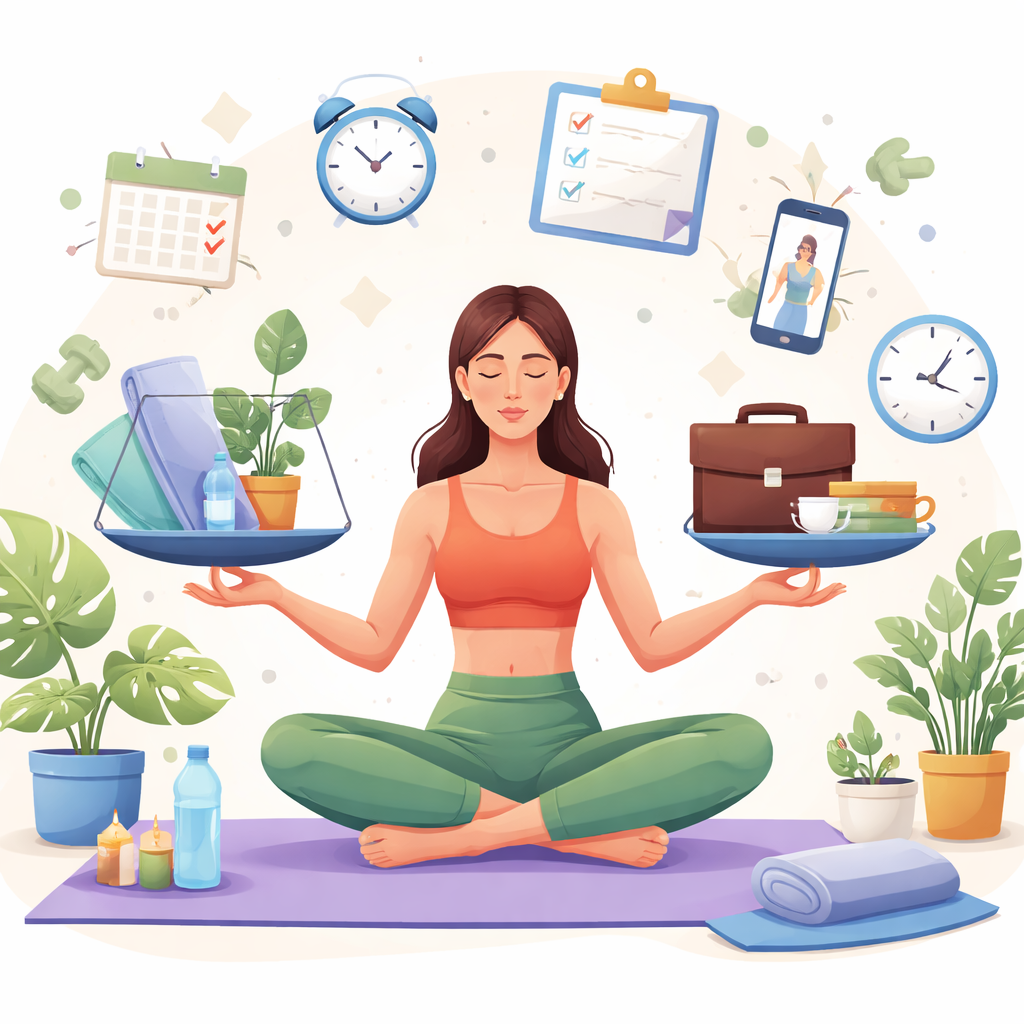
Striking a balance between yoga practice duration and lifestyle can be daunting, but it's essential for consistency and progress. Many people overcommit initially, leading to burnout and disinterest. Start with shorter sessions suitable to your schedule, even if it's only 15 minutes, gradually extending as your passion and fitness level grow. Relief Yoga helps tailor a routine based on your lifestyle, ensuring it seamlessly integrates with your daily commitments. Understanding your limits is crucial; the goal is not to exhaust but to rejuvenate. Embedding yoga into your life, rather than structuring your life around it, assures its longevity as a practice. Yoga, inherently, is meant to complement, not conflict, with life’s rhythm. Consistent practice, albeit short, often provides more enduring benefits than sporadic, lengthy sessions. By focusing on regularly integrating managea
ble yoga slots, practitioners experience improved flexibility, strength, and peace of mind. Remember, quality often trumps quantity in yoga, and a focused session, however brief, can yield substantial benefits if done with intention. Relief Yoga encourages consistency catered to individual needs, ensuring a nurturing rather than overwhelming practice.
Adapting Yoga Practice to Lifestyle Changes in Aundh

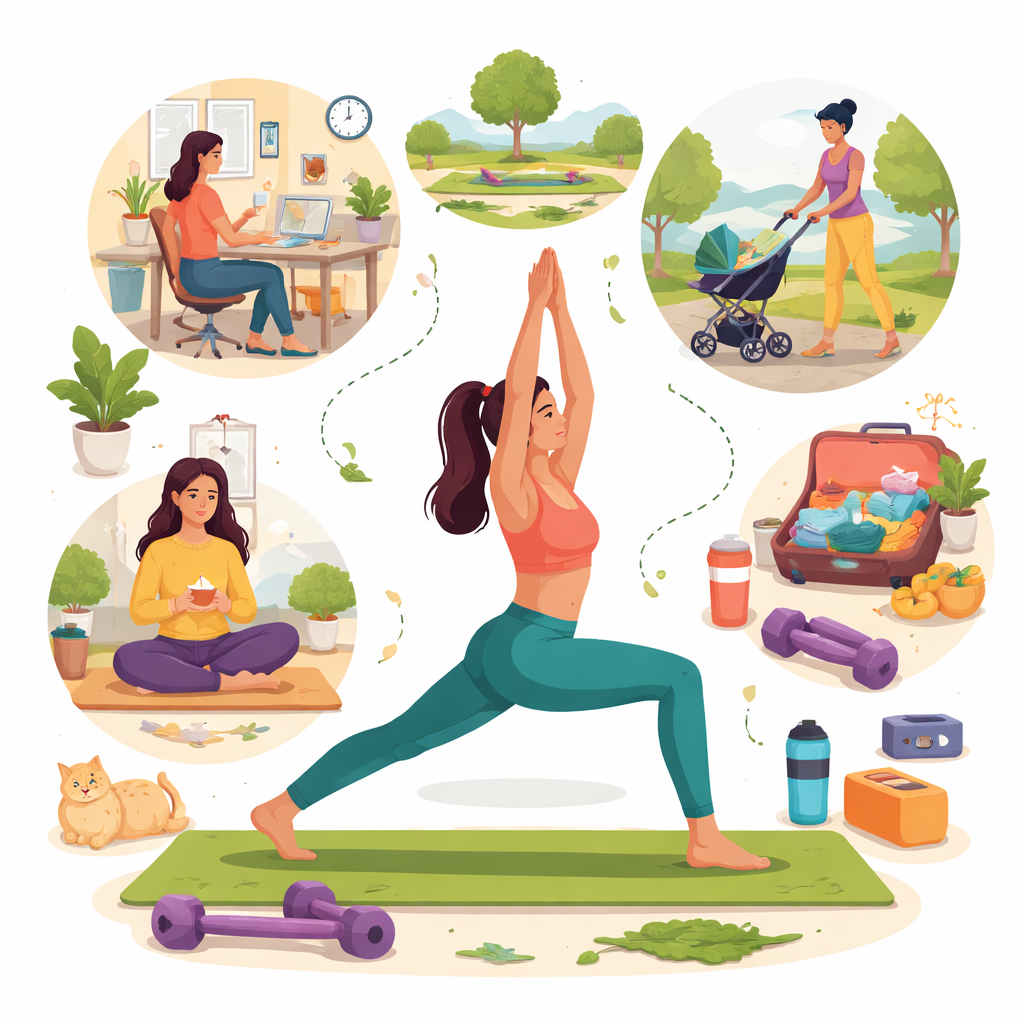
Life is dynamic, and adapting your yoga routine to lifestyle changes ensures continual growth and enjoyment. Whether facing a busy period at work or a shift in personal life, modify your practice rather than eliminating it. Relief Yoga offers adaptable solutions to fit varied schedules. For instance, during stressful times, shorter, relaxing sessions focusing on breathing and meditation can help maintain balance. Conversely, during more leisurely periods, consider lengthier sessions to deepen your practice and explore advanced postures or meditation techniques. A flexible approach allows you to take yoga beyond mere physical activity, transforming it into a dependable support system through life's fluctuations. Technology offers valuable tools, such as online guided sessions, making yoga accessible even during travel or unpredictable schedules. Maintaining an adaptable practice cu
ltivates resilience and fosters a deeper connection with oneself, regardless of external circumstances. This adaptability makes yoga a lifelong journey, invaluable for physical and mental health. Flexibility in practice ensures yoga remains refreshing and aligned with personal growth throughout life's stages.

The Benefits of Guided Yoga Sessions in Aundh

Guided yoga sessions provide numerous advantages, especially for those unsure of how much to practice daily. Relief Yoga offers structured classes tailored to match personal goals, ensuring every session is both productive and satisfying. Professional guidance helps maximize benefits by focusing on proper techniques and preventing injury. For beginners and seasoned practitioners alike, guided sessions provide the opportunity to explore diverse styles and deepen understanding of poses and their benefits. Furthermore, having a guide can significantly enhance motivation, with structured classes fostering discipline and community. Relief Yoga supports a welcoming environment that caters to both physiological and psychological needs, making yoga accessible and fulfilling. Practicing under skilled teachers allows for an emphasis on mindfulness and alignment, which enriches the overall experien
ce. Moreover, consistent attendance at guided sessions nurtures accountability, a key aspect crucial for developing a sustainable practice habit. Relief Yoga's tailored instruction helps clients overcome common barriers and illuminates the path to achieving their yoga-related goals. The support and camaraderie found in guided sessions create an inspiring dynamic, enhancing both individual growth and communal spirit. Whether enhancing flexibility or cultivating peace, guided sessions equip practitioners with the knowledge and confidence to advance in their practice.

Frequently Asked Questions

How long should beginners practice yoga each day? ➤
For beginners, starting with 15 to 30-minute sessions can be quite effective. This duration allows enough time to learn basic poses and align with your body’s needs without feeling overwhelmed. Many find these shorter sessions easier to fit into busy schedules, promoting consistency and habit-building. Relief Yoga encourages gradually increasing duration as comfort and skill develop, ensuring a sustainable and enjoyable practice. By beginning with achievable goals, enthusiasm and engagement are maintained, leading to a fulfilling yoga journey.
What is the best time of day to practice yoga? ➤
Some prefer morning yoga to invigorate and set a positive tone for the day, while others enjoy evening sessions to unwind. Choosing the best time largely depends on personal schedules and energy levels. Relief Yoga recommends experimenting with different times to discover what feels most satisfying. Practicing yoga consistently at a time that suits your lifestyle enhances habit formation, making it more likely you'll stick with your routine. The optimal time is when you're most receptive and can practice without distractions.
Can yoga replace other forms of exercise? ➤
Yoga can serve as a comprehensive workout, incorporating strength, flexibility, and mindfulness. While it offers numerous health benefits, combining yoga with other activities like cardio or strength training can provide a more balanced fitness regimen. Relief Yoga emphasizes that yoga complements rather than competes with other exercises. Whether enhancing athletic performance or maintaining general health, yoga offers unique advantages that enrich any fitness routine. It's about finding a harmonious balance that supports your wellness goals.
How can I ensure proper form during yoga practice? ➤
Ensuring proper form is crucial in yoga to avoid injuries and maximize benefits. Attending guided classes at places like Relief Yoga can enhance understanding of posture and form. Instructors provide hands-on adjustments and personalized feedback. Practicing in front of a mirror for self-checks and using props can also assist in achieving correct alignment. Online resources may supplement learning but shouldn’t replace expert guidance. Prioritizing form over depth ensures a safer and more rewarding practice.
Is practicing yoga daily necessary? ➤
Daily yoga practice isn't mandatory but can significantly enrich physical and mental well-being. Even a few minutes daily can promote relaxation and flexibility. Relief Yoga advocates for listening to your body and maintaining a routine that feels comfortable and sustainable. It's about quality rather than quantity; engaging in yoga with mindfulness amplifies its benefits. Frequency should align with personal goals and lifestyle, ensuring that practice remains a source of joy rather than obligation.
Call Us Now
Chat With Us